
A knee that will not straighten after a twist deserves prompt assessment. Locking, painful clicking, marked swelling, or difficulty bearing weight can signal an injury that needs more than a break from sport. Whether it happened during pickleball, at work, or on an Oahu trail, explain the loss of movement when asking for care. [1]
Describe what you mean by locked
Tell the treating team whether the knee stays bent and will not straighten, catches briefly and then moves again, or hurts too much to move comfortably. Describe when that started and whether swelling followed. Those details help the clinician decide what to examine and how urgently to investigate.
The menisci are two pieces of cushioning cartilage between the thighbone and shinbone. A twist can tear this tissue. Symptoms can include pain, swelling, catching, locking, or a feeling that the knee may give way. Being able to walk immediately after an injury does not exclude a meniscus tear. [2]
Other injuries can produce similar symptoms, including ligament or tendon injury and damage around the kneecap. A symptom description or a click alone cannot identify the injured structure. Painless clicking is different from painful locking or loss of normal movement. [1]
Arrange urgent assessment for a newly locked knee
Seek same-day medical advice if your knee newly locks, you cannot move it or bear weight, or it becomes very swollen or very painful. Tell the clinic specifically that you cannot straighten it. If an orthopedic clinic cannot assess you promptly, use urgent care or the emergency department rather than waiting for a routine appointment. [1]
Wiki Wiki Orthopedics evaluates knee conditions, including meniscus and ligament injuries. Our sports injury page describes the practice's approach to athletic injuries, from assessment to treatment planning. Availability should be confirmed when arranging a visit.
Go to the emergency room immediately for a visibly deformed knee, an open injury with exposed bone, or a foot that becomes cold, pale, blue, or numb. Call 911 for severe bleeding, collapse, or a serious head, neck, or back injury accompanying the incident. Do not try to straighten a deformed joint yourself. [5]
A hot, red knee with fever or feeling unwell also needs urgent medical assessment because infection is a possibility. Seek emergency care if these symptoms are severe or you feel very ill; do not assume an earlier sports injury explains them. [1]
What the visit can clarify
The clinician will ask about the mechanism of injury, previous knee problems, and the symptoms that followed. Examination may include checking tenderness along the joint line and assessing knee movement. A clinician may use specific maneuvers to investigate a meniscus tear; do not repeatedly twist or force the knee to reproduce a click at home. [2]
X-rays assess bone and can help identify another explanation for knee pain, such as arthritis. They do not show a meniscus tear. [2] For an acute suspected meniscal injury, the American Academy of Orthopaedic Surgeons recommends MRI as the preferred imaging test. The timing and need for imaging depend on the examination and clinical question. [3]
Bring any previous images, reports, or discharge paperwork. If another facility has already ordered an MRI, give the team that information so they can coordinate the next step. Ask who will review the results and what to do if movement or symptoms worsen before that review.
Protect the knee while waiting
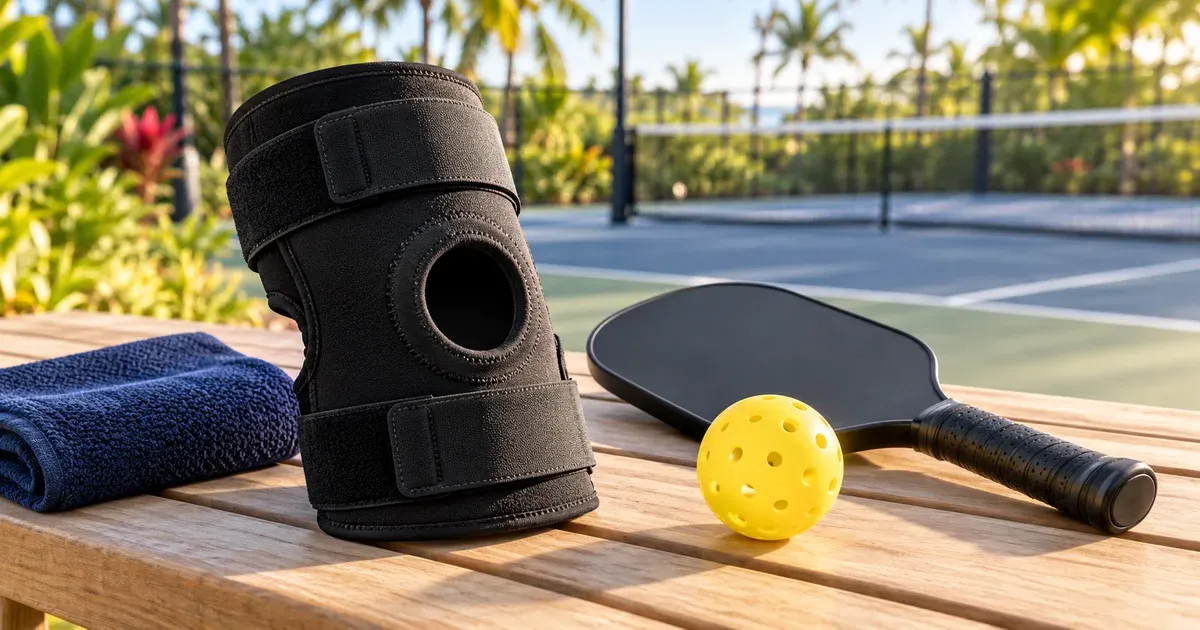
Stop the activity that caused the injury. Avoid pivoting, deep squatting, and painful weight bearing. Crutches or a brace may be recommended after assessment; ask how they should be used rather than assuming a support from a shop is the right treatment. A brace does not establish the diagnosis. [4]
A cold pack wrapped in cloth can be applied for about 20 minutes at a time. Resting with the leg elevated may help swelling. Ask which pain medicine is appropriate for you, especially if you have kidney or heart disease, a history of stomach bleeding, or take other medicines. Follow the label and the clinician's instructions. [4]
Tell the team if your daily activities involve climbing ladders, kneeling, carrying equipment, or walking on uneven ground. Ask for practical restrictions that address those tasks. If you cannot safely get around, say so when seeking care rather than trying to manage stairs or a long walk alone.
Does locking mean surgery?
It means the cause needs assessment. The 2024 AAOS guideline states, by expert consensus, that an acute displaced or displacing meniscal tear that restricts movement may benefit from early surgery. This is a clinical judgment, not a rule that every painful or clicking knee needs an operation. The guideline specifically addresses acute isolated meniscus injuries; combined ligament injuries and longstanding degenerative problems require their own assessment. [3]
When surgery is indicated, the same guideline supports preserving as much functional meniscus tissue as possible. Ask whether the tear might be repairable, what alternatives apply, and what each option would require during recovery. [3]
Treatment and rehabilitation vary with the tear and any associated injury. Physical therapy can help restore movement and strength, but the plan should follow the diagnosis. Contact the treating team for increasing pain or swelling, worsening instability, or a knee that locks and cannot straighten. [4]
Sources
- Knee pain, NHS, reviewed 2023.
- Meniscus tears, American Academy of Orthopaedic Surgeons, accessed 2026.
- Acute isolated meniscal pathology: clinical practice guideline, American Academy of Orthopaedic Surgeons, 2024.
- Meniscus tears: aftercare, MedlinePlus, accessed 2026.
- Broken bone, MedlinePlus, reviewed 2026.
For a non-emergency knee injury on Oahu, request an appointment with Wiki Wiki Orthopedics or call (808) 439-6201. Mention any new locking or inability to straighten the knee when arranging care.


