
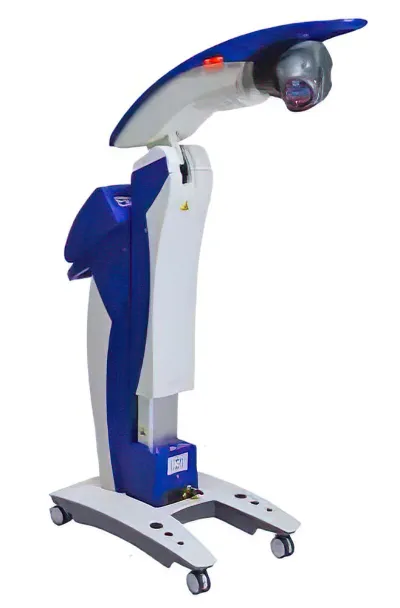
MLS Laser Therapy
MLS Orthopedic Laser Therapy is a groundbreaking advancement in medical treatment, providing significant benefits for individuals seeking alternatives to traditional pain management methods. This cutting-edge technology is FDA-cleared.
Designed to offer pain relief and accelerate healing without the need for opiates, MLS Robotic Laser Therapy is a cold laser therapy that utilizes dual-wavelength light energy to stimulate the body’s natural healing processes. It is considered a cold laser therapy because it does not cause excess heat to the area, keeping the treatment from becoming uncomfortable. This innovative approach is particularly advantageous for treating a wide range of conditions, serving as an effective, opiate-sparing alternative for those looking to recover faster and alleviate pain without the associated risks of opioid medications.
Whether you’re dealing with chronic pain, recovering from an injury, or seeking to enhance your overall wellness, MLS Laser Therapy provides a non-invasive solution that taps into your body’s inherent healing capabilities. Explore how this FDA-cleared treatment can pave the way for a healthier, more active lifestyle, free from pain and reliance on traditional pain medications.
FDA Clearance
MLS Laser Therapy is FDA-cleared for pain, inflammation and edema.
Research on Laser Therapy for Knee Osteoarthritis
Studies of high-intensity laser therapy for knee osteoarthritis, including Gur 2003, Nazari 2018 and Marquina 2012, have reported less pain and better function compared with placebo or sham treatment. Evidence is still developing, and laser therapy is not right for everyone; we will discuss whether it is appropriate for you.
The Science of MLS Laser Therapy
The science behind MLS (Multiwave Locked System) orthopedic cold laser treatment is grounded in its innovative approach to pain therapy and physical medicine. This FDA-cleared and CE-certified device utilizes a high-power (average power up to 1.1 W, class IV) infrared (IR) laser with two synchronized laser diode sources. These sources operate at different wavelengths, peak powers, and emission modes, offering a comprehensive treatment modality:
First Laser Diode: Emits pulsed laser at 905 nm with a peak optical power of 25 W. The pulse is a train with a single pulse width of 100 ns and can reach a maximum frequency of 90 kHz. This allows for adjustable average power delivered to the tissue.
Second Laser Diode: Operates at 808 nm in either continuous mode (power 1.1 W) or pulsed mode (pulses repetition rate 1–2000 Hz), with a mean optical power output of 550 mW and a duty ratio of 50%, independent of the pulse repetition rate.
What’s different about MLS laser versus other medical lasers available?
In medical therapy, lasers are categorized based on their power output and therapeutic effects.
**Class 3B Lasers:**These low-level lasers emitting less power and are suitable for treating surface-level tissue issues. They require longer sessions due to their lower intensity, making them a gentle option for therapy that focuses on superficial healing.
Class IV Lasers: These high-power lasers offer deeper tissue penetration, providing more significant anti-inflammatory and analgesic effects. The higher power output allows for shorter treatment times but necessitates precise handling to avoid potential tissue damage.
MLS Lasers: Standing out within Class IV lasers, MLS (Multiwave Locked System) Lasers uniquely synchronize dual wavelengths to enhance therapeutic outcomes. This technology combines the safety of low-level lasers with the effectiveness of high-power treatments, efficiently delivering pain relief and promoting healing without the risks associated with conventional high-power lasers.
How does MLS Laser Therapy work?
The dual wavelengths of MLS Robotic Laser Therapy work together to deeply penetrate tissues, with several mechanisms contributing to its therapeutic effects:
Anti-inflammatory Effect: It reduces inflammation by inhibiting the release of prostaglandins and cytokines, which are chemicals associated with pain and inflammation. This results in decreased swelling and increased blood flow to the affected area.
Analgesic Effect: MLS Laser Therapy directly affects nerve cells that block pain transmitted by these cells to the brain and decreases nerve sensitivity. Also, it increases the production of endorphins and enkephalins, which are natural painkillers.
Accelerated Tissue Repair and Cell Growth: The light from MLS lasers penetrates deeply into tissues and accelerates cellular reproduction and growth. The laser light increases the energy available to the cell to work faster and repair damaged cells.
Improved Vascular Activity: MLS Laser Therapy significantly increases the formation of new capillaries in damaged tissues, speeding up the healing process and increasing blood flow to the injured area.
Increased Metabolic Activity: It stimulates higher outputs of specific enzymes, greater oxygen, and food particle loads for blood cells, and thus greater production of the basic energy source of cells, ATP (Adenosine Triphosphate).
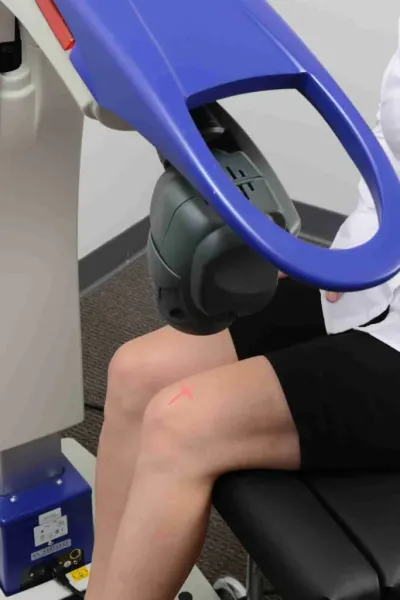
Benefits of MLS Laser Therapy
MLS Cold Laser Therapy offers a comprehensive approach to pain management and tissue healing through its “Global Approach,” which integrates distinct techniques to ensure optimal treatment outcomes. This multifaceted strategy targets the area of concern and addresses surrounding tissues to maximize patient improvement. Here are the key benefits of MLS Therapy:
Pain Relief Without the Need for Opioids: By directly targeting the area of pain using specific frequencies and techniques, MLS Therapy can significantly reduce discomfort without the dependence on pharmaceutical pain management, presenting a non-addictive solution to pain relief.
**Accelerated Healing Process:**MLS Orthopedic Laser Therapy stimulates cellular activity and increases circulation, promoting faster healing of damaged tissues. This accelerated process is crucial for recovery from injuries, surgeries, or chronic conditions.
**Reduced Inflammation:**The therapy effectively decreases inflammation by encouraging vasoconstriction and activating the lymphatic drainage system, which helps remove interstitial fluid. This reduction in swelling not only aids in alleviating pain but also supports the healing process.
Improvement in Blood Circulation: By enhancing microcirculation, MLS Laser Therapy ensures an increased supply of oxygen and nutrients to the affected area, further facilitating the repair and regeneration of tissues.
**Enhanced Tissue Repair and Cell Growth:**The laser’s energy stimulates cellular metabolism, promoting the repair of tissues and the growth of new cells. This is particularly beneficial in treating injuries where tissue damage is a primary concern.
The Global Approach of MLS Laser Therapy, with its multi-technique application during a single treatment session, ensures that patients receive the maximum benefits of this advanced therapy, making it an effective option for managing various conditions.
Conditions Treated with MLS Laser Therapy
MLS Robotic Laser Therapy is adept at treating a wide array of conditions, offering patients a non-invasive option to address their health concerns. Here’s a list of common conditions treated by MLS Laser Therapy:
-
Arthritis and osteoarthritis
-
Chronic and acute pain
-
Sprains and strains
-
Post-surgical recovery
-
Sciatica
-
Carpal Tunnel
-
Back pain
-
Trigger points
-
Inflammation
This extensive list showcases the versatility of MLS Laser Therapy in addressing a variety of musculoskeletal and neurological conditions, making it a valuable tool in modern therapeutic practices
Postoperative recovery with Orthopedic Laser Therapy
Orthopedic surgery significantly enhances your quality of life by restoring mobility, making post-operative recovery crucial. Orthopedic laser therapy accelerates this process by promoting faster healing, increasing tissue repair, improving blood circulation, and reducing swelling. It plays a key role in enhancing the effectiveness of postoperative physical therapy, ensuring a smoother and quicker recovery period.
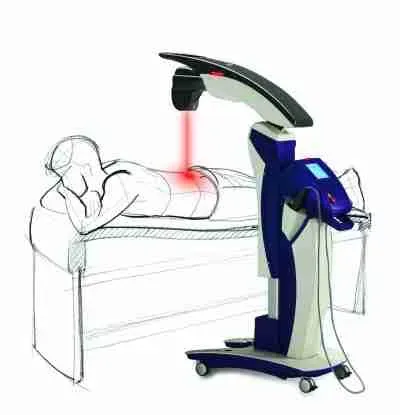
The MLS Cold Laser Therapy Process
The specific duration and frequency of MLS Cold Laser Therapy sessions vary depending on the treatment condition and the individual patient’s response to therapy. Generally, treatment protocols are customized to meet each patient’s unique needs.
Preparation and Post-Treatment Care:
Preparation for MLS Laser Therapy is minimal, with patients advised to wear comfortable clothing that allows easy access to the treated area.
Post-treatment care typically involves following specific instructions the healthcare provider provides, such as staying hydrated and avoiding strenuous activities for a short period to maximize the treatment benefits.
Why Choose MLS Laser Therapy?
Here are the top reasons why laser therapy is considered an excellent investment in health:
Effective Pain and Inflammation Reduction: Laser therapy may help reduce pain and inflammation from musculoskeletal injuries, arthritis and post-surgical discomfort; results vary from person to person.
Gradual Improvement: Some patients notice improvement after a few sessions, though results vary from person to person.
Non-Invasive: Treatments involve no drugs or needles. Most patients find treatment comfortable and return to their usual activities after a session.
Integration with other therapeutic approaches: MLS laser therapy can enhance the overall treatment efficacy of other treatments including physical therapy during postoperative recovery, regenerative medicine injections, or a regular pain-management plan. This dual capability of providing direct therapeutic benefits while also complementing other treatments makes MLS Laser Therapy a versatile and forward-thinking choice for comprehensive patient care.
Cost
Despite its FDA clearance, MLS Robotic Laser Therapy is often not covered by insurance because it is still considered investigational by many insurance companies. This classification means that, from an insurance perspective, the therapy is viewed as still under evaluation for its effectiveness across a broad range of conditions despite substantial clinical evidence supporting its benefits for pain management, inflammation reduction, and accelerated tissue healing. As a result, patients looking to benefit from MLS Laser Therapy may need to cover the costs out-of-pocket, weighing the potential immediate benefits against the lack of insurance support due to its investigational status.
FAQs
Can MLS Laser Therapy be used in conjunction with other treatments?
Yes, MLS Orthopedic Laser Therapy can effectively complement other treatment modalities, including physical therapy, chiropractic care, and traditional medical treatments. It can enhance the overall effectiveness of a comprehensive treatment plan.
What can I expect after a treatment session?
Most patients notice a gradual improvement in their symptoms, including pain and inflammation reduction, as they progress through their MLS Robotic Laser Therapy plan. The response time can vary, with some individuals experiencing quicker relief and others taking longer to notice changes. The effect of MLS Robotic Laser Therapy builds over a course of sessions. Completing the full course of treatments as your healthcare provider prescribes is crucial for achieving the best results. Prematurely ending the treatment regimen may result in the return of symptoms.
Will my insurance cover MLS Laser Therapy?
Currently, MLS Laser Therapy is not widely covered by insurance plans, as it is often considered investigational. Patients are advised to consult with their insurance provider for the most accurate information regarding coverage.
How many treatments will I need?
The number of treatments varies based on the specific condition and its severity. Some patients experience significant improvement after just a few sessions, while others may require a series of treatments to achieve optimal results.
How long does each treatment session last?
The length of each MLS Laser Therapy session depends on the condition being treated and the size of the area requiring attention.
Is MLS Laser Therapy safe?
Yes, MLS Laser Therapy is FDA-cleared and is a safe and non-invasive treatment option for orthopedic conditions. There are minimal to no side effects associated with the therapy. Most patients find treatment comfortable and can return to their usual activities after a session.
What conditions can be treated with MLS Laser Therapy?
MLS Laser Therapy is effective for a variety of orthopedic conditions, including but not limited to:
- Chronic and acute pain
- Arthritis and other joint disorders
- Post-surgical recovery
- Muscle strains and sprains
- Tendonitis
- Back and neck pain
How does MLS Laser Therapy work?
MLS Laser Therapy works by delivering light energy directly to the targeted area, stimulating cellular activity to promote healing and reduce pain. The therapy enhances blood circulation, accelerates tissue repair, reduces swelling, and can help to restore normal cellular function.
What Is MLS Laser Therapy?
MLS Laser Therapy is an advanced orthopedic treatment that uses concentrated light energy to stimulate healing, reduce pain, and decrease inflammation in affected tissues. The “MLS” stands for Multiwave Locked System, which combines two specific wavelengths of light synchronized to provide deeper tissue penetration and enhanced therapeutic effects.