Tendon injuries are common among athletes, active individuals, and those engaged in repetitive physical activities. Tendons, the fibrous connective tissues linking muscles to bones, are integral to movement yet are prone to strain, inflammation, and ruptures that can markedly hinder mobility. A prevalent example of a tendon injury is the Achilles tendon rupture; other injuries, such as tennis elbow and rotator cuff tears, also affect many individuals yearly. This article provides an in-depth analysis of various tendon injuries, their diagnostic approaches, and treatment alternatives, underscoring the pivotal role of orthopedic urgent care centers in promoting effective recovery.
Common Tendon Injuries
Achilles Tendon Rupture
The Achilles tendon, the body's largest tendon, links the calf muscles to the heel bone and is essential for walking, running, and jumping. The Achilles tendon is susceptible to rupture, especially during high-impact activities like basketball or tennis, where sudden stops, jumps, or sprints put immense stress on the tendon. A rupture can cause sudden, sharp pain, swelling, and difficulty flexing the foot. Early diagnosis and treatment are vital, as an untreated rupture can lead to permanent damage or loss of function.
Tennis Elbow (Lateral Epicondylitis)
Tennis elbow is a condition that affects the tendons outside the elbow. Despite its name, tennis elbow can occur due to repetitive hand and arm motions, which are not limited to sports. It is commonly seen in professions or hobbies involving frequent use of the forearm muscles, such as carpentry, painting, or typing. The main symptoms include pain and tenderness on the outer elbow, forearm weakness, and difficulty performing tasks like shaking hands or lifting objects.
Rotator Cuff Injuries
The rotator cuff consists of muscles and tendons that stabilize the shoulder joint and facilitate movements like lifting and rotating the arm. Injuries often arise from overuse during activities such as throwing or lifting, resulting in pain, weakness, and reduced shoulder mobility. In some cases, these injuries may be acute, caused by a sudden event, or chronic, arising from repetitive motions over time.
Patellar Tendonitis
Also known as "jumper's knee," patellar tendonitis is the inflammation of the tendon that connects the kneecap (patella) to the shinbone (tibia). It is common among athletes who engage in jumping sports like basketball, volleyball, and soccer. The primary symptom is pain at the front of the knee, particularly when jumping, squatting, or running. This condition often develops gradually over time due to repetitive stress on the tendon.
Wrist and Elbow Tendinitis
Tendinitis is inflammation of the tendon, often caused by repetitive motion or overuse. Conditions like De Quervain's tenosynovitis (wrist) and golfer's elbow (elbow) are common in the wrist and elbow. These conditions cause pain, swelling, and restricted movement, especially with repeated movements that place stress on the affected tendons. If not addressed early, Tendinitis can be aggravated by improper technique or lack of rest, leading to chronic symptoms.
Diagnostic Methods
Accurate diagnosis of tendon injuries is essential for determining the appropriate treatment. Orthopedic professionals use a variety of diagnostic tools and tests to assess the severity and location of tendon damage.
Physical Examination
The process typically begins with a detailed physical examination, during which an orthopedic specialist assesses the affected area for signs of swelling, tenderness, or abnormal movement. Special tests are performed to check for stability, range of motion, and strength. In many cases, this physical evaluation can offer valuable clues about the nature of the tendon injury.
Ultrasound Imaging
Ultrasound is a non-invasive imaging technique that provides real-time, high-resolution images of soft tissues, including tendons. It is beneficial for diagnosing conditions like Achilles tendon injuries. Ultrasound allows orthopedic professionals to assess the degree of inflammation, tears, or other structural damage to the tendon, helping to guide treatment decisions.
MRI (Magnetic Resonance Imaging)
MRI is another valuable diagnostic tool that offers detailed images of soft tissues, including tendons. An MRI is often recommended when a more in-depth view of the injury is needed, especially for severe cases like tendon ruptures or tears. Detailed images from an MRI can help identify the exact location and extent of the damage, providing critical information for planning surgical or non-surgical treatments.
X-rays
Although X-rays do not directly show soft tissue injuries like tendon tears, they help rule out associated bone fractures or other structural issues. Tendon injuries often occur alongside bone injuries, such as fractures or dislocations, and X-rays can help detect these conditions. In some cases, tendon damage may also cause visible bone changes, such as calcification, which can be seen on an X-ray.
Treatment Options for Tendon Injuries
The treatment for tendon injuries depends on their severity. While some cases may only require rest and physical therapy, others may necessitate more invasive interventions, like surgery.
Rest and Ice Therapy
For mild tendon injuries, the first line of treatment often involves rest and ice therapy. Resting the affected area helps reduce inflammation and prevent further injury, while ice therapy can alleviate pain and swelling. These measures are particularly effective in the initial stages of recovery, especially in conditions like tennis elbow or patellar tendonitis.
Physical Therapy
Once the initial inflammation has subsided, physical therapy becomes essential to the recovery process. A physical therapist will design a personalized exercise plan to strengthen the injured tendon, improve flexibility, and restore the range of motion. Regular physical therapy sessions help prevent re-injury by addressing weaknesses or imbalances that may have contributed to the original injury.
Non-Surgical Interventions
Non-surgical treatments for moderate tendon injuries may include corticosteroid injections or platelet-rich plasma (PRP) therapy. Corticosteroid injections can help reduce inflammation, while PRP therapy uses the patient's blood platelets to accelerate healing. These treatments are particularly effective in conditions like tendonitis and relieve symptoms such as pain and swelling.
Surgical Treatment
In severe cases, surgery may be required to repair torn or ruptured tendons. Surgical procedures vary depending on the injury's extent and the tendon involved. Minimally invasive arthroscopic techniques may be used for more minor tears, while more significant ruptures may require open surgery. Surgery is typically recommended when conservative treatments have failed or the tendon is severely damaged.
Bracing or Splints
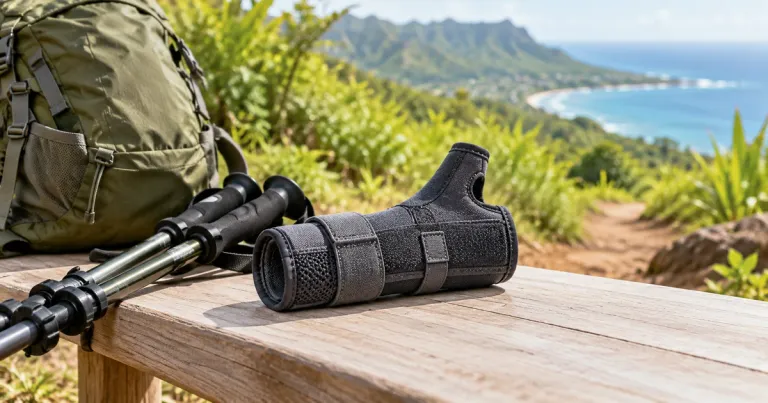
In some cases, bracing or splinting may be used to immobilize the injured tendon and prevent further damage during the healing process. Braces and splints are beneficial for conditions like rotator cuff injuries, where immobilization is necessary to promote healing.
Medication
Pain relief is often a priority when treating tendon injuries. Nonsteroidal anti-inflammatory drugs (NSAIDs) are commonly prescribed to manage pain and reduce swelling. These medications help alleviate discomfort and improve mobility during the recovery process.
Risk Factors and Prevention
Several factors can increase the likelihood of tendon injuries, but understanding these risks and taking preventive measures can significantly reduce the chances of injury.
Age
As we age, our tendons lose elasticity, becoming more prone to injury. Older adults are more susceptible to tendonitis and tendinopathy due to a decline in collagen production, which affects tendon strength and flexibility. To combat this, regular exercise, stretching, and maintaining a healthy lifestyle can help keep tendons strong and flexible, even in older age.
Repetitive Motion
Engaging in repetitive activities, whether in sports, work, or daily life, can increase the risk of tendon injuries. Repetitive motions strain the tendons continuously, mainly if proper technique or rest periods are not observed. Taking regular breaks, using ergonomic tools, and practicing correct posture and movement techniques can minimize strain on tendons.
Improper Warm-Up
Failing to properly warm up before physical activity is another common cause of tendon injuries. A good warm-up routine prepares tendons for more intense movements, reducing the risk of strains or tears. Incorporating dynamic stretches and light exercises before physical activity can help increase blood flow and improve flexibility, reducing the likelihood of injury.
Poor Footwear
Wearing improper footwear during physical activity can place undue stress on the tendons, especially in the lower body. Shoes not offering adequate support can contribute to problems like Achilles tendonitis or plantar fasciitis. It is essential to wear shoes that provide proper cushioning and support for your specific activity, whether running, walking, or participating in sports.
Conclusion
Tendon injuries can be debilitating, but with early diagnosis and prompt treatment, most tendon injuries can be effectively managed and healed. Whether through rest, physical therapy, or surgery, orthopedic urgent care facilities are well-equipped to provide specialized care and help patients recover quickly. If you suspect a tendon injury, seeking professional care as soon as possible can make all the difference in fully recovering and preventing long-term damage. Understanding the risk factors and prevention strategies can reduce your chances of experiencing tendon injuries and maintain an active, healthy lifestyle.
References
- Wilson JJ, Best TM. Common overuse tendon problems: a review and recommendations for treatment. Am Fam Physician. 2005;72(5):811-818. Source
- Hess GP, Cappiello WL, Poole RM, Hunter SC. Prevention and treatment of overuse tendon injuries. Sports Med. 1989;8:371-384. Source
- Pittman V. Insights—Organizations driving innovation in urgent care education. A message from the CUCM president, Chris Chao, MD. 2029. Source