Elbow pain after a fall can signal a fracture even when you landed on your hand. A radial head fracture affects the upper end of a forearm bone near the elbow. Pain outside the elbow or difficulty turning the forearm deserves attention. [1]
Notice which movements have changed
Common symptoms include swelling and pain when bending or straightening the elbow. Turning the palm upward or downward may also be difficult. A fall onto an outstretched hand can transmit force toward the elbow and cause a fracture or dislocation. [1]
When arranging care, describe what happened and what you cannot do comfortably. Was there a direct blow to the elbow, or did you catch yourself with your hand? Is the pain at the elbow, wrist, or both? Tell the clinician about the whole arm rather than focusing only on the most painful spot.
Do not repeatedly test the arm with push-ups, heavy lifting, or forceful twisting to decide whether a bone is broken. Pain and loss of movement after a fall warrant assessment; a home movement test cannot establish the diagnosis. If you are unsure where to go, explain the injury and symptoms to a medical service that can direct you to appropriate care.
Seek prompt assessment and recognize emergency signs
A suspected fracture deserves prompt medical attention, even when it is not an emergency. Support the arm in a comfortable position while seeking care. Do not try to straighten a visibly deformed elbow or put a joint back into place. A cold pack and elevation can help swelling while you arrange assistance. [4]
Go to the emergency room immediately for an obviously deformed elbow, exposed bone or a deep open injury, or fingers that become cold, pale, blue, or numb. Call 911 for severe bleeding, loss of consciousness, or suspected serious head, neck, or back injury from the same fall. Keep the injured area supported and avoid unnecessary movement while awaiting help. [4]
Tell the treating team if someone has already tried to manipulate the elbow, if there is broken skin, or if you have noticed a change in hand sensation. These are important details to give at the start of the visit, rather than waiting until the end.
What an elbow assessment may involve
Wiki Wiki Orthopedics evaluates elbow injuries and conditions, including fractures and dislocations. The clinic's X-rays and advanced imaging page explains its on-site X-rays and referrals for CT or MRI when further imaging is needed. An assessment helps establish the injury and appropriate next steps.
Some small radial head fractures are difficult to see on the first X-ray. If pain or restricted movement continues, ask what follow-up is needed rather than assuming that an initial image settles every question. [1] Bring any images, reports, or discharge paperwork from an earlier visit so the clinician can review what has already been assessed.
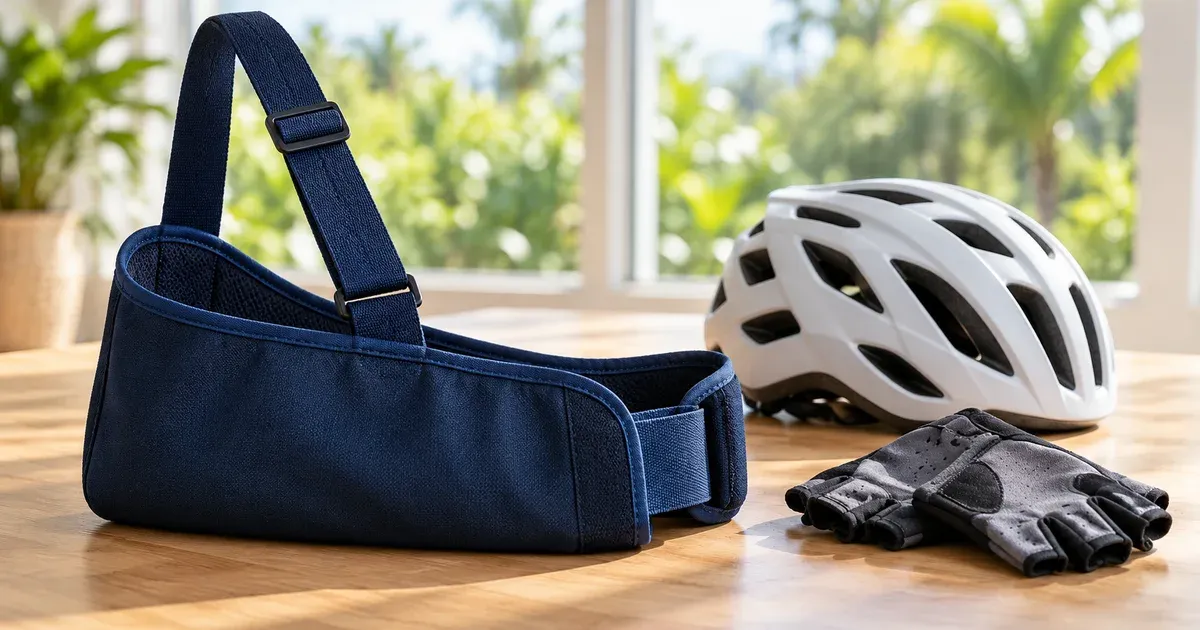
Useful questions before leaving include: What injury has been identified or remains possible? Do I need another examination or scan? Should I use a sling or splint, and when may I remove it? What symptoms should bring me back sooner? Make sure you know who will review any pending results.
Protection and movement serve different purposes
Follow the clinician's instructions for your particular fracture. The team should explain when the sling or splint can come off, when to start elbow movement, and how to use the shoulder, wrist, and fingers safely. Keep a prescribed sling or splint dry and ask for help if its fit is uncomfortable. [2]
For uncomplicated radial head or neck fractures, gentle movement is often encouraged to recover motion. Forceful stretching is not recommended. The advice for a stable injury cannot automatically be applied to a fracture with other damage or to an elbow that has not yet been assessed. Ask which movements are permitted and when to begin them. [3]
A fracture with displaced fragments, a block to normal movement, or associated ligament injury may need surgery. Treatment can involve fixing fragments or replacing a severely damaged radial head, depending on the injury. This is why the fracture pattern and stability matter more than choosing a sling based on symptoms alone. [1]
Plan recovery around your actual activities
A cloth-wrapped cold pack and elevation may help pain and swelling. Ask which pain medicine is appropriate, particularly if you have kidney or heart disease, a history of stomach bleeding, or take other medicines. Follow the label and the treating clinician's instructions. Contact the team for catching, instability, numbness, skin problems, or persistent difficulty using the arm. [2]
After a straightforward fracture, discomfort and stiffness can take time to settle, and the elbow may take months to feel normal. Some loss of straightening can remain. Seek advice if pain is severe, symptoms worsen, or progress is not as expected. Do not drive while wearing a sling. [3]
Describe your work and recreation when discussing restrictions. Carrying children, lifting tools, cycling, paddling, or pushing up from a chair each places different demands on the arm. Ask for clear lifting, driving, exercise, and follow-up instructions so you can plan daily activities without guessing from how the elbow feels on one good morning.
Sources
- Radial head fractures of the elbow, American Academy of Orthopaedic Surgeons, accessed 2026.
- Radial head fracture: aftercare, MedlinePlus, reviewed 2026.
- Radial head / neck fractures of the elbow, Cambridge University Hospitals NHS Foundation Trust, approved 2023.
- Broken bone, MedlinePlus, reviewed 2026.
For a non-emergency elbow injury on Oahu, request an appointment with Wiki Wiki Orthopedics or call (808) 439-6201. Mention that the pain began after a fall and describe any loss of movement.