A broken wrist, shoulder, or hip after an ordinary trip or fall can raise two separate questions: How should this injury be treated, and are the bones weaker than expected? A fracture after relatively little force is sometimes called a fragility fracture. It deserves appropriate injury care and, in many adults, a conversation about osteoporosis and future fracture risk. Neither the size of a bruise nor how quickly pain settles can answer those questions. [1, 2]
What counts as a low-trauma or fragility fracture?
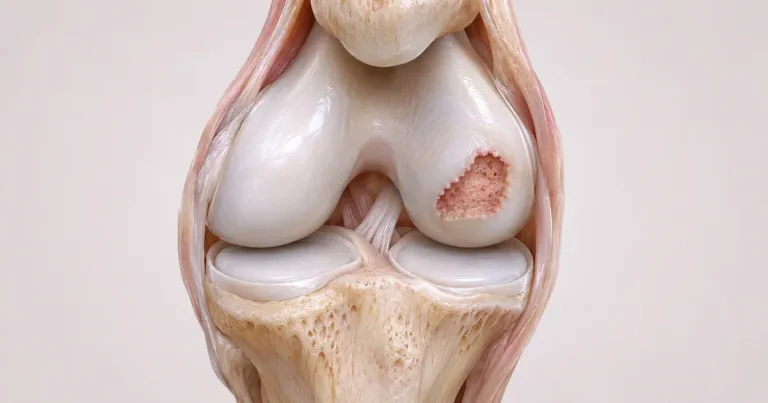
A fragility fracture generally follows a fall from standing height or less, or another event that ordinarily would not break a healthy bone. Tripping on a rug and breaking a wrist is one example; breaking a vertebra during a routine activity can be another. Common sites include the wrist, upper arm, spine, and hip. [1, 2]
Not every fracture from a small fall proves osteoporosis. The direction of the fall, the bone involved, other medical conditions, and injury mechanics still matter. Likewise, having a normal-looking X-ray of the surrounding bones does not rule out reduced bone density. A fracture can be the first reason someone learns their bones may be fragile.
This topic is especially important after midlife, but bone weakness can affect adults of different ages and sexes. Previous fractures, a family history of hip fracture, low body weight, smoking, certain medicines such as long-term glucocorticoids, and some medical conditions can all influence risk. [2]
First, make sure the new injury is safe
Go to an emergency department promptly if a fall leaves you unable to stand or bear weight with hip or leg pain, if a limb is severely deformed, if bone has broken through the skin, or if the injured hand or foot is pale, cold, or newly numb. Seek emergency evaluation for severe back pain accompanied by new leg weakness or loss of bladder or bowel control. Call 911 for a life-threatening injury or when safe transportation is not possible.
Other injuries still deserve timely assessment. Persistent focal bone pain, swelling, bruising, loss of function, or pain when using an arm or leg after a fall can warrant an examination even when you can move the limb. Avoid repeatedly testing a painful joint or forcing weight onto an injured leg while waiting for an assessment.
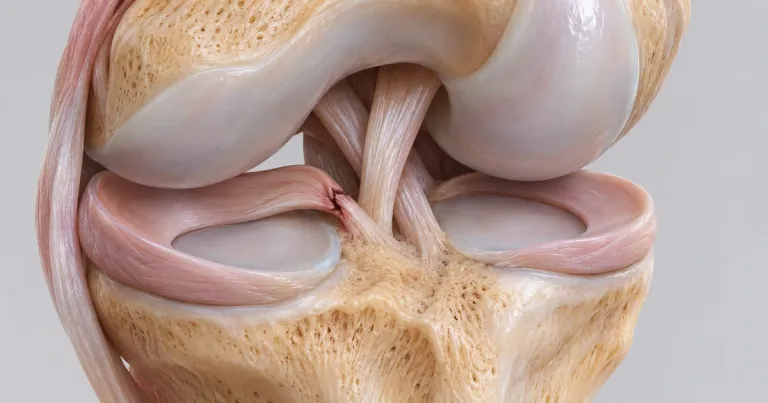
An orthopedic clinician may recommend immobilization, protection from weight-bearing, further imaging, or surgical evaluation depending on where the fracture is, whether it is displaced, and whether the joint is stable. The treatment for the fracture comes first; a bone-health workup should complement it, not delay necessary injury treatment.
What can an orthopedic visit check?
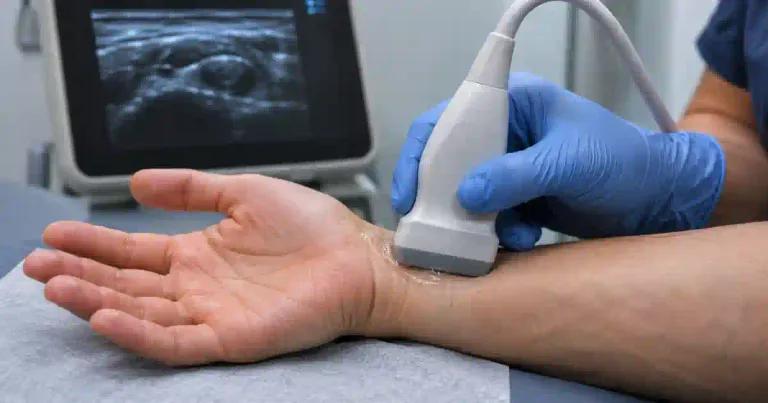
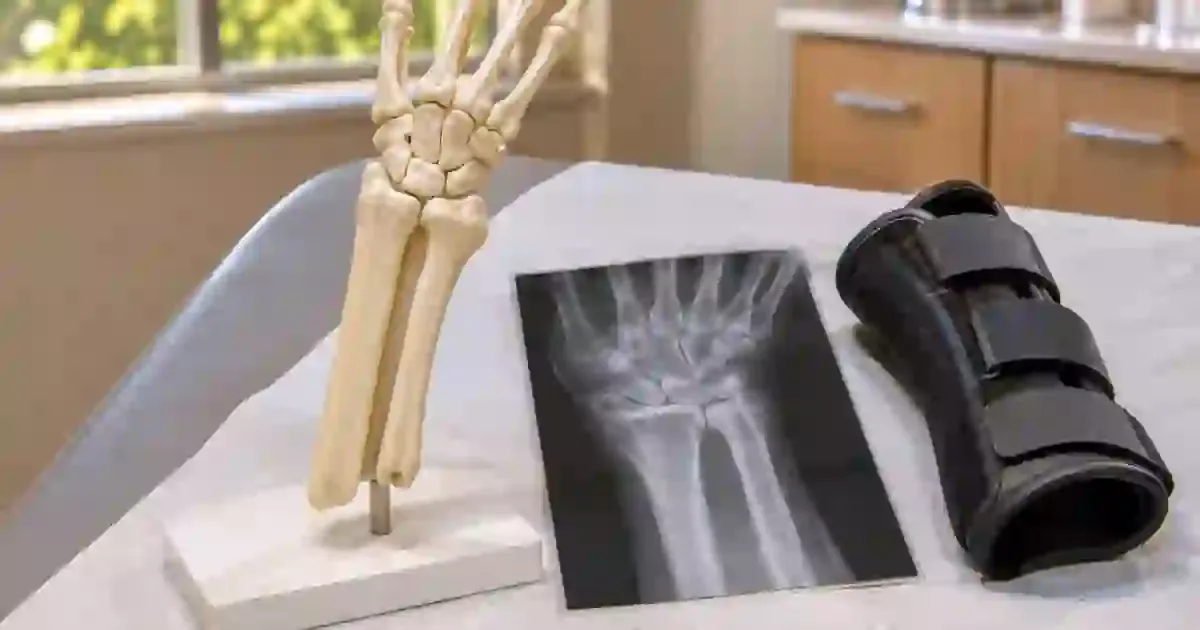
The visit begins with the details of the fall, your pain and function, examination of the injured area, and questions about prior fractures and medical conditions. Standard X-rays can show many fractures and help guide splinting, casting, or a referral for surgery. Some injuries require repeat films or more detailed imaging if symptoms and initial X-rays do not match.
Wiki Wiki Orthopedics describes fracture evaluation and treatment, on-site X-rays and referrals for advanced imaging, and splinting and casting. The appropriate setting and follow-up depend on the severity and location of the injury. A suspected hip fracture or another emergency condition should not wait for a routine clinic appointment.
Tell the clinician if the injury came from a simple ground-level fall, particularly if you are older than 50. Mention any earlier fractures that occurred with little force. These details help determine whether to recommend a separate evaluation for underlying bone weakness. [2, 3]
Why a fracture X-ray and a bone-density scan are different
An injury X-ray examines the painful area for a break, alignment, and other structural changes. It does not reliably measure overall bone strength. A dual-energy X-ray absorptiometry test, often called DXA or DEXA, measures bone mineral density, usually at the hip and lumbar spine. Results contribute to an assessment of osteoporosis and the risk of another fracture. [2, 3]
A clinician may also review medications, health history, falls, balance, and possible contributors to low bone density. Some people need laboratory testing for causes such as certain hormonal or nutritional problems. The decision to perform DXA and other testing is individualized; a result above the osteoporosis threshold does not automatically eliminate fracture risk.
For people without a previous fragility fracture, the U.S. Preventive Services Task Force recommends routine osteoporosis screening for women age 65 and older, and for postmenopausal women younger than 65 who are at increased risk based on clinical assessment. These screening recommendations do not apply in the same way to someone who already has a fragility fracture; a fracture calls for a clinical evaluation rather than simply applying rules for people with no fracture history. [4]
What can lower the chance of another fracture?
A bone-health plan may combine nutrition, safe activity, fall prevention, and medication when indicated. Adequate calcium, vitamin D, and protein matter, but supplements are not a substitute for assessing and treating osteoporosis. Your clinician can help decide whether your dietary intake or medical history warrants a supplement or a specific medication. [2]
Strength and balance exercises can improve stability and function, but activities should be adjusted while a fracture heals and to your individual health. After an injury, ask when walking, resistance exercise, or physical therapy can safely resume. Review footwear, poor lighting, loose rugs, medications that cause dizziness, and vision or balance problems that might contribute to another fall.
Some people benefit from prescription medications that reduce fracture risk. Treatment choice depends on the type and location of the fracture, bone density, kidney function and other conditions, prior medications, and individual risks. This is a separate discussion from deciding whether a broken bone needs a cast or operation. [2]
Does bone health matter if joint surgery is being discussed?
Yes. Bone quality is one factor that may affect planning for fixation of a fracture or an elective joint procedure. A history of low-trauma fractures, known osteoporosis, or long-term steroid use is worth discussing with the treating surgeon before an operation. It does not automatically mean surgery cannot proceed, and no single bone-density number determines the right treatment for everyone.
The most useful step is to make sure the team knows about your fracture history and any ongoing osteoporosis evaluation or treatment. Coordination with a primary care clinician or bone-health specialist may be appropriate.
Questions to bring to your appointment
Consider asking: Was my fracture caused by unusually little force? Do I need a DXA scan or a review of earlier results? Are there medicines or medical conditions affecting my bones? When can I safely return to exercise? Who will coordinate the plan to reduce the risk of a future fracture?
Bring your medication list, any earlier fracture or bone-density reports, and a description of how the fall happened. A fracture visit can address the immediate injury while creating an opportunity to prevent a second one.
Sources
- Osteoporosis to Prevent Fractures: Screening, U.S. Preventive Services Task Force, 2025.
- Osteoporosis: Diagnosis, Treatment, and Steps to Take, National Institute of Arthritis and Musculoskeletal and Skin Diseases.
- Bone Density Scan, MedlinePlus, National Library of Medicine.
- Osteoporosis, MedlinePlus, National Library of Medicine.
For a non-emergency injury or fracture assessment on Oahu, request an appointment or call (808) 439-6201.