A quick change of direction, awkward landing, or collision can twist the knee and cause pain, swelling, or a feeling that it may give way. These symptoms can occur with an anterior cruciate ligament (ACL) injury, but a meniscus tear, bone injury, or another ligament problem can feel similar. A symptom or a reported “pop” cannot confirm an ACL tear; an examination is needed to understand what happened. [1, 2]
What the ACL does
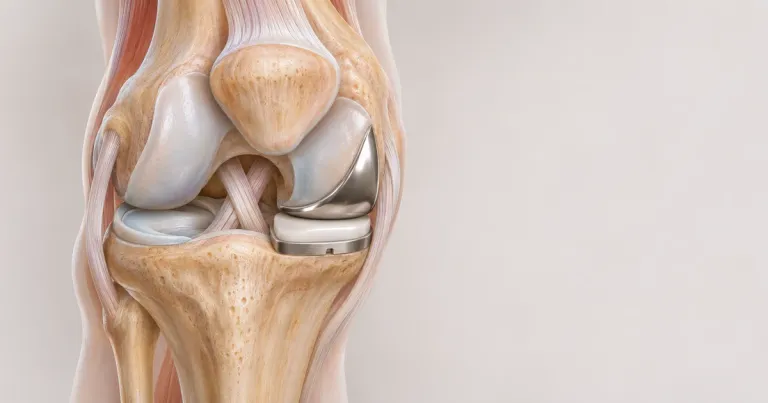
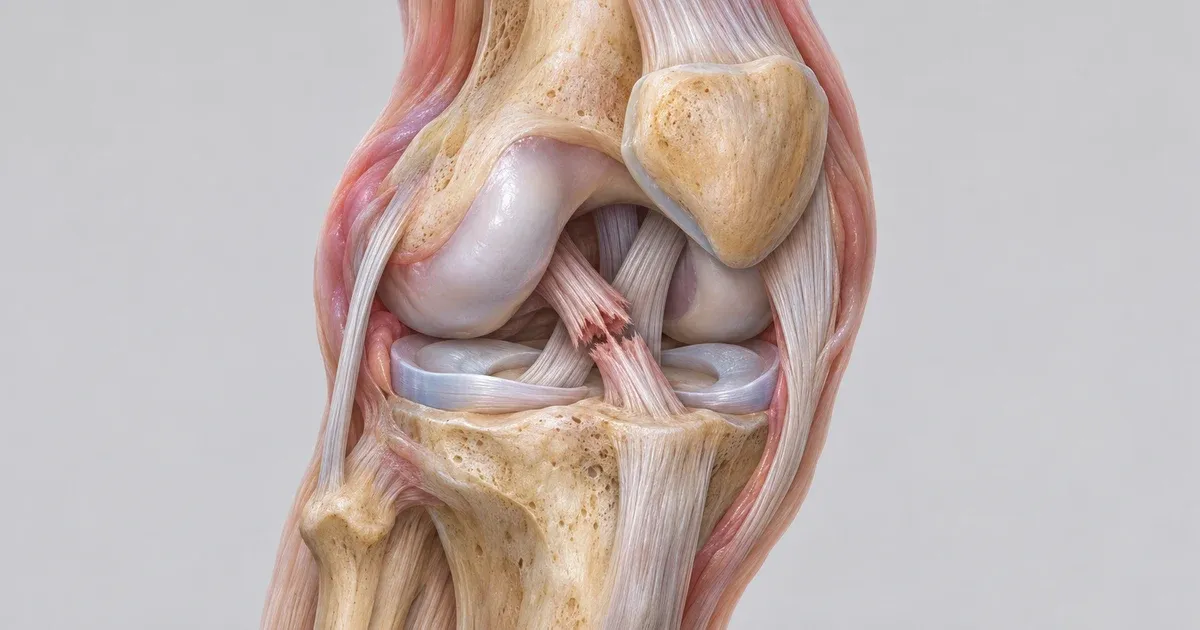
The ACL is one of the ligaments inside the knee. It helps control forward and rotational movement of the shinbone relative to the thighbone. An ACL injury can range from stretching to a partial or complete tear. Some injuries happen during a pivot or landing without contact; others occur with a collision. The force may also injure other structures, including the meniscus, cartilage, or additional ligaments. [1]
After an injury, a person may notice pain, swelling, difficulty bending or straightening the knee, or instability when trying to stand or change direction. Symptoms vary, and none of these signs identifies the injured structure on its own. A locked knee, for example, can have several causes and needs evaluation rather than self-testing.
When to seek care
Arrange an orthopedic evaluation if swelling, pain, or instability persists after a twisting injury, or if the knee repeatedly gives way. Until it is assessed, avoid sports or strenuous activity that makes the knee unstable or painful. Do not force the knee through a painful range of motion or try to test its stability yourself.
Seek urgent medical attention for severe pain, a visible deformity, inability to bear weight after a significant injury, or rapidly increasing swelling. If the foot becomes cold, pale or blue, numb, or weak, seek emergency care promptly. Call 911 for a serious injury or other life-threatening emergency. [3]
How an ACL injury is evaluated
A clinician will ask how the injury occurred, when swelling began, whether the knee has buckled, and whether there were earlier injuries or symptoms. The physical examination may assess swelling, motion, tenderness, and ligament stability. A careful history and examination are important parts of evaluating an ACL injury; other injuries may need consideration as well. [1, 2]
X-rays can help look for a fracture or other bone problem, but they do not show the ACL itself. An MRI may be used to assess the ACL and look for associated injuries to the meniscus, cartilage, or other soft tissues. Not every patient needs the same imaging, and a clinician determines whether additional tests are useful based on the examination and initial findings. [1]
Finding out whether more than one structure is involved can affect the treatment discussion. For example, a knee injury may include a bone bruise or a meniscus injury along with ligament damage. The clinician considers the whole pattern rather than focusing on one scan finding in isolation. If imaging has already been done, bringing the report and images can help the treating clinician compare them with the examination and your current symptoms.
Wiki Wiki Orthopedics provides orthopedic evaluations and on-site X-rays. Read about knee care, sports injuries including ACL and meniscus conditions, and X-rays and advanced imaging. The practice also lists ACL reconstruction among its surgical services; whether surgery is appropriate depends on the individual injury and goals.
Treatment depends on the injury and your goals
An ACL tear does not automatically mean reconstruction is needed. Some people may be managed with rehabilitation and activity changes, while others may discuss surgery because of ongoing instability, activity demands, associated injuries, or other individual factors. Treatment planning considers knee function, work and activity needs, examination findings, and patient preferences. [1, 2]
If reconstruction is considered, the surgeon can explain what the procedure is intended to address, graft choices, possible risks, rehabilitation, and alternatives. Recovery is not the same for everyone, and returning to sport or demanding activity should be guided by a clinician and rehabilitation team. No article can predict an individual outcome or establish that a specific treatment is right for you.
Helpful questions at a visit include: Which structures may be injured? Do I need imaging, and what will it answer? What activities should I avoid for now? What nonsurgical and surgical options fit my goals? If surgery is proposed, what recovery milestones and risks should I understand? Bring prior imaging or treatment records if available, but do not delay urgent care to collect them.
Sources
- Anterior Cruciate Ligament (ACL) Injuries, American Academy of Orthopaedic Surgeons, accessed 2026.
- Management of Anterior Cruciate Ligament Injuries, American Academy of Orthopaedic Surgeons Clinical Practice Guideline, 2022.
- Anterior cruciate ligament (ACL) injury, MedlinePlus, accessed 2026.
For a new or persistent knee injury on Oahu, request an appointment or call (808) 439-6201.