Ongoing pain after a hip or knee replacement can be worrying, especially if it interferes with walking or daily tasks. Pain does not automatically mean the implant has failed or that another operation is needed. A careful evaluation looks for the cause and considers nonsurgical care, further testing, or revision surgery when appropriate. [1, 2]
What revision replacement means
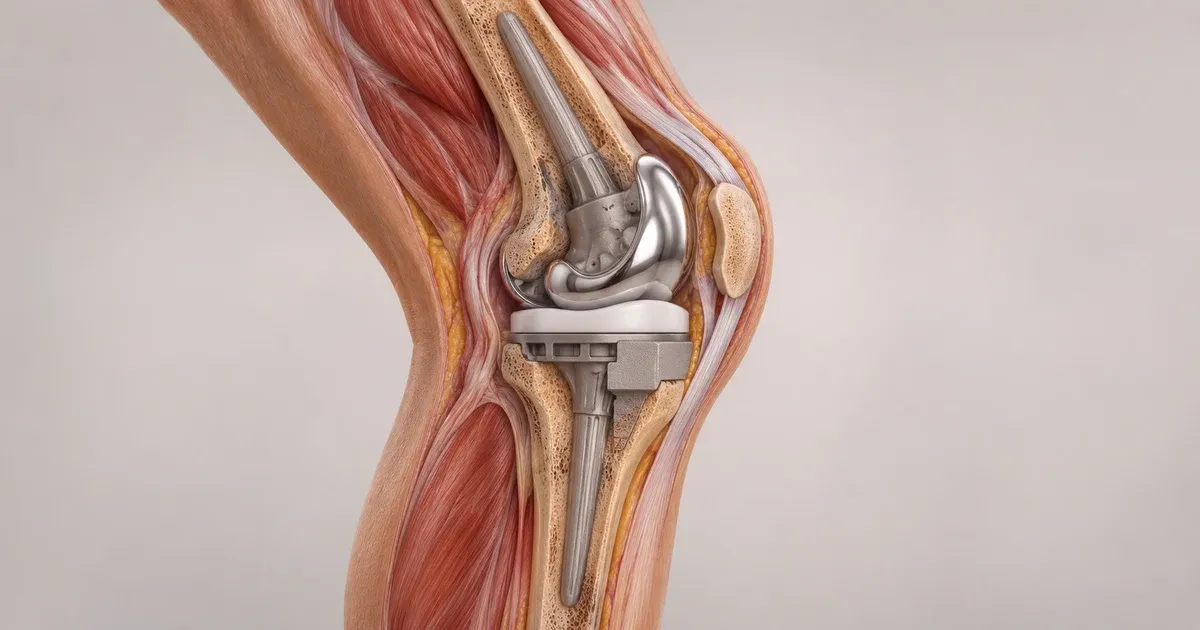
A revision procedure is an operation to remove or replace some or all of the components from an earlier joint replacement. The reason and extent of revision vary. A clinician may discuss it when there is a problem such as infection, loosening, instability, wear, or a fracture around the implant. Revision surgery is more complex than a first-time replacement and requires an individualized assessment. [1, 2, 4]
Pain can also come from causes that do not require changing the implant. Depending on the joint and symptoms, possibilities include tendon or muscle irritation, referred pain from the back, nerve problems, or another nearby condition. The timing of symptoms, examination, imaging, and sometimes laboratory or other tests help guide the workup. [1, 2]
When to arrange an evaluation
Contact an orthopedic clinician if pain is persistent, worsening, limiting function, or newly returning after a period of improvement. Also seek evaluation for a sense that the joint is unstable, new difficulty bearing weight, increasing stiffness, or a change in how the joint moves. Bring the date and location of the original surgery, implant information if available, and records or images from prior evaluations.
Seek prompt medical care for fever or chills with a painful replaced joint, new redness or warmth, drainage from a prior incision, rapidly increasing swelling, or sudden severe pain. A fall or other injury followed by inability to bear weight, deformity, or severe pain also needs urgent assessment. Call 911 for a serious injury, severe bleeding, collapse, or another life-threatening emergency. Do not try to force a deformed joint back into place. [2, 3]
What the evaluation may include
The clinician may ask when pain began, whether it followed an injury or infection, which activities aggravate it, and whether it has changed over time. Examination may assess the joint's motion, stability, strength, tenderness, surrounding skin, and the circulation and sensation in the limb. The clinician may compare current symptoms with your recovery after the original operation.
X-rays can show the position of components and some changes in the surrounding bone, but they do not answer every question. Blood tests, fluid sampling, or additional imaging may be considered when infection, loosening, fracture, or another cause is suspected. The choice of tests depends on the history and examination. Do not stop antibiotics or other prescribed medication before evaluation unless the treating clinician advises you to do so. [1, 2, 4]
Records that can help
If possible, bring the date and location of the original replacement, the name of the hospital or surgeon, a list of current medicines, and any information you have about the implant. Copies of the operative report, implant card, prior X-rays, and results of blood tests or joint-fluid tests can help a clinician understand what has already been evaluated. Do not delay urgent care to collect paperwork, and do not assume that an old image is enough to explain a new change in symptoms. If records are not available, share what you remember about when the pain began, any periods of improvement, and whether the joint has felt unstable or swollen. These details help guide questions and next steps, but they cannot establish by themselves that the implant is loose or infected.
Wiki Wiki Orthopedics evaluates orthopedic conditions and offers on-site X-rays. Read about the practice's surgical services and X-rays and advanced imaging. Bring outside records and a list of medicines, and share the name of your original surgeon or hospital if known.
When revision may be discussed
Revision is considered when evaluation identifies a problem that may be improved by changing one or more implant components, or when another treatment is not adequate. The plan depends on the cause. Infection, for example, may require a different pathway than mechanical loosening or instability. Sometimes only part of the implant is revised; in other situations more extensive surgery is considered. [1, 2, 4]
Ask what the evaluation has ruled in or out, whether the implant appears stable, and what uncertainty remains. If revision is proposed, discuss what the procedure is intended to address, potential risks, alternatives, likely rehabilitation needs, and what may happen if you wait. The decision should reflect the findings and your goals; no particular result can be guaranteed.
If no urgent warning signs are present, persistent pain still deserves a thoughtful assessment rather than self-diagnosis. A visit can help distinguish an implant-related problem from other sources of pain and clarify which next step is reasonable.
Sources
- Revision Total Hip Replacement, American Academy of Orthopaedic Surgeons, accessed 2026.
- Joint Replacement Infection, American Academy of Orthopaedic Surgeons, accessed 2026.
- Prosthetic joint infection, MedlinePlus, accessed 2026.
- Revision Total Knee Replacement, American Academy of Orthopaedic Surgeons, accessed 2026.
For non-emergency pain after a joint replacement on Oahu, request an appointment or call (808) 439-6201.