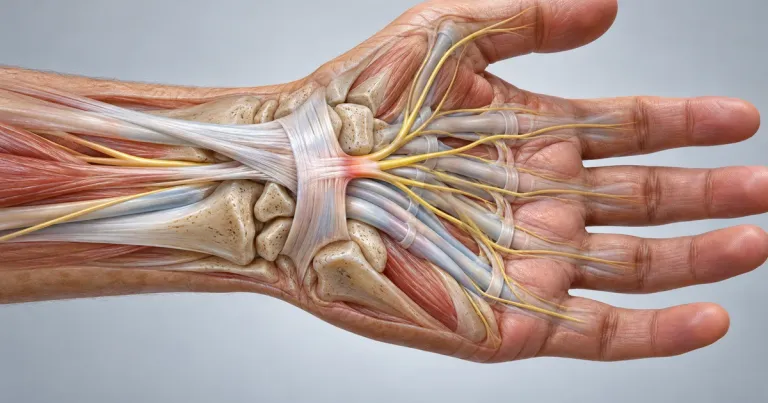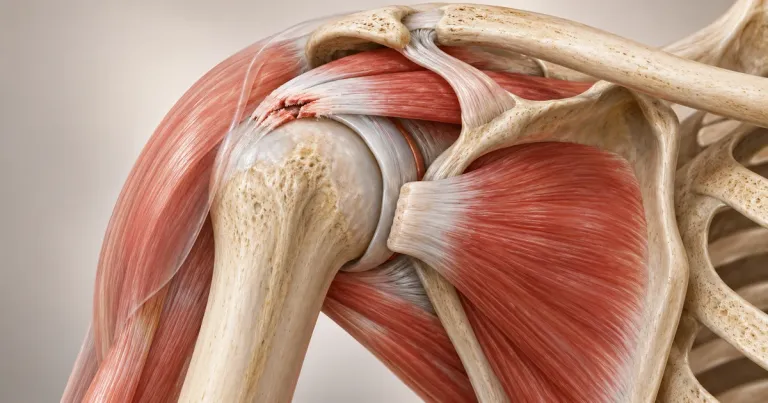
Pain on the outside of the elbow when lifting a mug, turning a doorknob, or gripping a tool can make ordinary tasks frustrating. One possible cause is lateral elbow tendinopathy, commonly called tennis elbow. Despite the name, it can affect people who do not play tennis. Other elbow problems can feel similar, so symptoms alone cannot establish the diagnosis.
What tennis elbow means
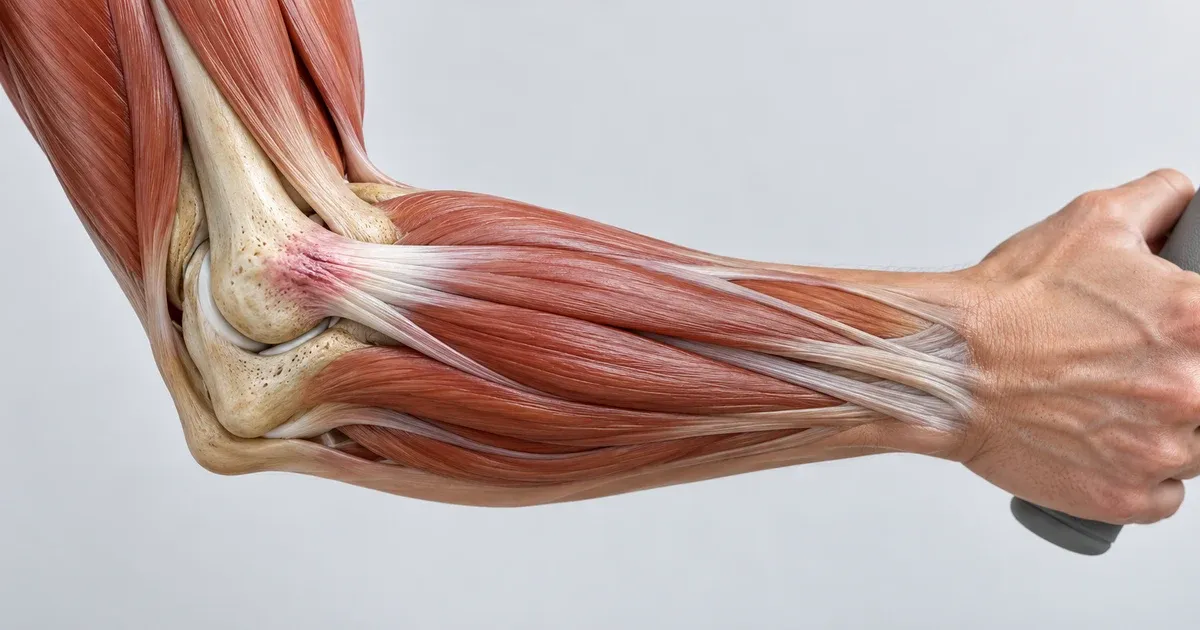
Several forearm muscles help extend the wrist and fingers. Their tendons attach near the bony prominence on the outside of the elbow, called the lateral epicondyle. Repeated loading can irritate this tendon attachment and cause pain. The term “tendinopathy” describes a tendon problem; it does not necessarily mean there is a large tear or an acute injury. [1, 2]
Pain is often felt over the outer elbow and may extend into the forearm. It can be aggravated by gripping, lifting with the palm facing down, or extending the wrist against resistance. Some people notice tenderness or reduced grip because using the arm hurts. The pattern varies, and not everyone has every symptom. [1, 2]
Why the name can be misleading
Tennis elbow is associated with repeated wrist and forearm use, but it is not limited to racket sports. Work, home, and recreational tasks that involve repeated gripping or twisting may contribute. The activity that preceded symptoms can be useful context, but it does not prove the cause. Avoid assuming that a single movement permanently damaged the tendon. [1]
Pain around the elbow can also come from a fracture, arthritis, a biceps or triceps tendon problem, or irritation of a nerve. Numbness or tingling—especially into the ring and little fingers—or pain that seems to start in the neck may suggest a different source. Sudden pain after a fall or forceful pull should be assessed as a possible injury rather than labeled tennis elbow without an examination.
When to get the elbow checked
Arrange an assessment if pain is not improving, interferes with work or daily activities, keeps returning, or comes with noticeable weakness or reduced motion. Earlier evaluation is sensible after a sudden injury, when pain is severe, or when you cannot use the arm normally. Wiki Wiki Orthopedics evaluates elbow conditions, including tendon problems and fractures.
Seek emergency care for an elbow that looks deformed after an injury, an open wound, rapidly increasing swelling, or a hand that becomes cold, pale, numb, or difficult to move. Call 911 for severe bleeding, collapse, chest pain, trouble breathing, or another life-threatening emergency. Do not try to force a deformed joint back into place.
What an evaluation may involve
A clinician may ask where the pain is, when it began, which movements aggravate it, and whether there was a fall or sudden pulling injury. The examination may include looking for swelling or bruising, checking elbow and wrist motion, locating tenderness, and assessing strength and sensation. Comparison with the other arm can help. No single maneuver reliably tells the whole story.
Typical tennis elbow is often diagnosed from the history and examination. X-rays do not show tendon irritation, but they may be useful when the clinician needs to assess a possible fracture or other bone or joint problem. Ultrasound or MRI may be considered when the diagnosis remains uncertain or another soft-tissue problem is suspected. The need for imaging depends on what the exam suggests. [2, 3]
Wiki Wiki Orthopedics offers on-site X-rays; referrals for advanced imaging may be used when needed. Read about X-rays and advanced imaging and what an orthopedic urgent-care visit can help address. Bring prior imaging or reports if you have them, and describe the tasks you need your arm to handle.
Protecting the arm while symptoms settle
For now, reduce or modify activities that sharply increase pain, particularly repeated forceful gripping or twisting. That does not necessarily mean complete rest. Gentle, comfortable movement may help you keep using the elbow, but stop if an exercise causes sharp or worsening pain. A brace or forearm strap may help some people; fit and usefulness vary. Ask a clinician before relying on a device, especially after an injury or if it causes numbness, color change, or more pain. [1, 2]
For pain relief, a wrapped cold pack may be soothing. Ask a clinician or pharmacist whether an over-the-counter medicine is safe for you, particularly if you have other medical conditions, take prescription medicines, or have had medication side effects. Avoid starting an intense strengthening program from an online video before the diagnosis is clear.
Many people improve with time and activity changes, but recovery is not identical for everyone. If symptoms persist, a clinician can discuss options based on the examination and your goals. Injections or surgery are not automatically needed; treatment should reflect the diagnosis, severity, prior care, and how symptoms affect daily life. [2, 3]
Sources
- Tennis elbow, NHS, accessed 2026.
- Tennis elbow, MedlinePlus, accessed 2026.
- Tennis Elbow (Lateral Epicondylitis), American Academy of Orthopaedic Surgeons, accessed 2026.
For non-emergency elbow pain on Oahu, request an appointment or call (808) 439-6201.